


Cheap prefab is the expensive kind — how to choose a manufacturer
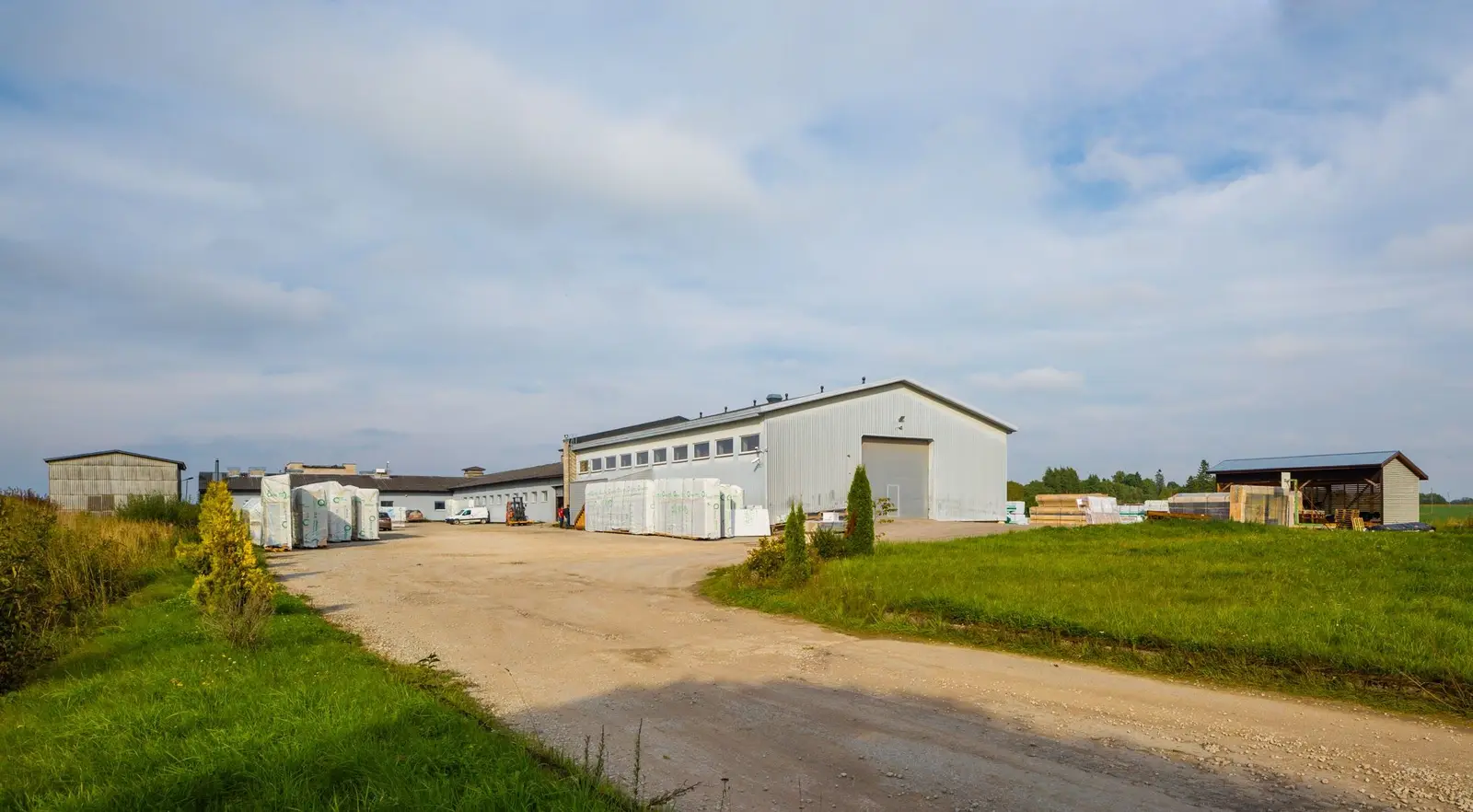
Estonia has been Europe's largest exporter of prefabricated wooden houses for over a decade, on the back of a long history in timber construction and steadily tightening energy requirements across the continent. That is good for the industry. It also means every gold rush attracts people who should not be mining, and in this trade the casualties tend to be customers rather than companies.
When everyone becomes a producer
A strong market pulls in new entrants. New companies appear, and established log-house builders convert to element production, because that is where the work is. There is nothing wrong with any of that — more competition means more choice and lower prices.
It stops being healthy at the point where prices go below what the product can be made for.
How price dumping actually works
Pricing below factory cost is a way of appearing to be the most efficient company in the market when you are not. It usually travels with contract clauses permitting later increases — unforeseen quantities, unforeseen circumstances — so the real price arrives after you have committed.
It rarely lasts. The company either returns to normal prices, or higher, having bought a client list; or it goes bankrupt. The risk you carry is that it goes bankrupt with your house half-built, which is ruinous for you and does the whole industry no favours.
Six checks before you sign
None of these are exotic. They are simply the things people skip when one offer is dramatically cheaper than the rest:
- Get more than one offer. Three is the usual advice; five is better.
- Discard the cheapest. Discard the most expensive too, if either sits well outside the cluster — that is basic arithmetic, not cynicism.
- Compare what is actually in each offer. Different prices very often mean different products. Never assume two manufacturers have quoted the same scope.
- Check references in your country, and ideally your region. Then ask those clients what they thought at the end, not at the start.
- Check the company's financial position. Is it sound? Is the history one of growth or decline?
- Find out who you will actually be dealing with once the contract is signed.
What this means for how we quote
It is the reason we would rather ask what a project actually needs before naming a figure, and why we will say plainly when something falls outside what we do. An offer that looks attractive because it quietly excludes half the work is not a cheaper house — it is a more expensive one with a surprise in it.